
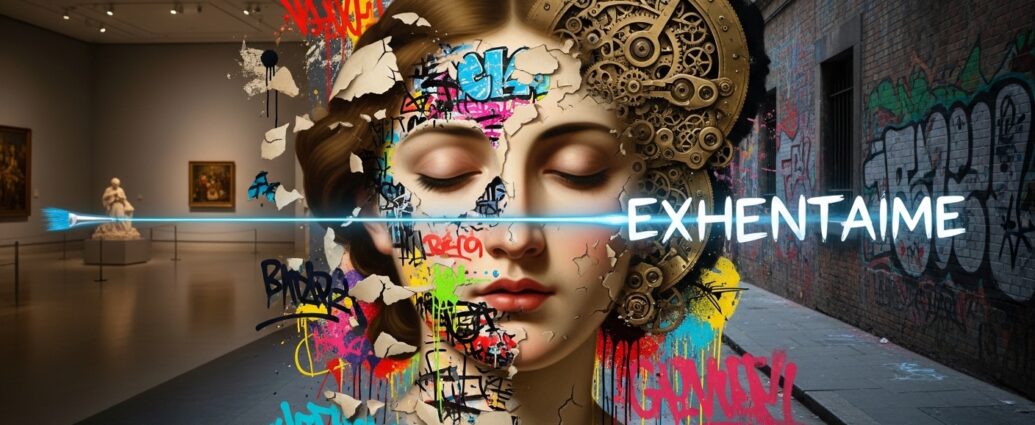
Art has always been a powerful medium for expression. It captures the complexities of human experience, often revealing emotions we struggle to articulate. Enter Exhentaime—a fascinating concept that bridges art and emotion in profound ways. This innovative approach invites us to explore the depths of our feelings through various artistic forms, transforming raw emotion into captivating visual or auditory experiences.
As we delve deeper into Exhentaime, we’ll discover how artists harness their unique perspectives to create works that resonate on an emotional level. The intersection of these two realms not only enriches individual lives but also carries a ripple effect throughout society. Join me as we embark on this journey, uncovering the intricate relationship between art and emotion while celebrating those who masterfully convey it through their craft.
Understanding the Connection between Art and Emotion
Art and emotion are deeply intertwined. Each brushstroke, note, or word captures a feeling that resonates with both the creator and the observer.
When an artist creates, they pour their soul onto the canvas or into their work. This process transforms raw emotions—joy, sorrow, anger—into something tangible. Viewers often find themselves reflecting on their own experiences while engaging with these pieces.
Emotions can serve as catalysts for creativity. A moment of heartbreak may inspire a haunting melody, while joy might lead to vibrant colors splashed across a canvas.
The beauty lies in this connection; art acts as a bridge between individual feelings and collective experience. It invites us to explore our innermost thoughts through someone else’s perspective.
This symbiotic relationship encourages dialogue about human experience—fostering empathy and understanding across diverse backgrounds.
The Role of Artists in Expressing Emotions through Their Art
Artists are the storytellers of our emotional landscape. They have a unique ability to tap into feelings that often go unspoken. Through their work, they translate complex emotions into visual or auditory experiences.
Each brushstroke, note, or sculpture serves as a bridge between their inner world and ours. This connection fosters empathy and understanding among viewers. When an artist pours their heart onto canvas or crafts poignant lyrics, it resonates on a deeply personal level.
Art becomes a vessel for exploration and expression. It allows both artists and audiences to navigate the intricate web of human emotion together. In many ways, art acts as a mirror reflecting our joys, sorrows, fears, and hopes back at us.
The role of artists in this realm is invaluable; they illuminate paths through darkness while amplifying voices that need to be heard. Their creations become powerful tools for dialogue about feelings we all share but may struggle to articulate.
Impact of Exhentaime on Society
Exhentaime has reshaped the way we perceive and engage with art. It creates a bridge between personal experiences and broader societal themes.
Through this lens, artists explore deep emotions like joy, sorrow, or nostalgia. Their work resonates on both individual and collective levels. This connection fosters empathy among viewers.
Beyond galleries, Exhentaime infiltrates everyday life. Public installations provoke conversations that challenge social norms. They encourage audiences to reflect on their own feelings and experiences.
Communities benefit when art becomes a shared language for expression. Exhibitions can spark movements that inspire change, giving voice to marginalized groups.
Moreover, educational institutions embrace Exhentaime as a tool for emotional intelligence development in students. Understanding one’s emotions through art enhances creativity and critical thinking skills.
As society navigates complexities, Exhentaime stands out as an essential cultural force that promotes understanding and connection across diverse backgrounds.
Examples of Successful Exhentaime Works
One striking example of successful Exhentaime is “The Scream” by Edvard Munch. This iconic piece captures raw emotion and existential dread, making it a timeless representation of human anxiety.
Another noteworthy work is Frida Kahlo’s “The Broken Column.” Through vivid imagery, Kahlo conveys her personal pain and struggles with identity, resonating deeply with viewers.
Contemporary artists also embrace Exhentaime. Yayoi Kusama’s immersive installations invite visitors to experience her battles with mental health through captivating visuals that evoke profound feelings.
Banksy’s street art often delivers powerful social commentary wrapped in emotion. His pieces stir both thought and feeling, urging society to reflect on pressing issues like inequality and war.
Each artwork serves as a conduit for emotions, showcasing the diverse expressions possible within the realm of Exhentaime.
Techniques for Creating Exhentaime Art
Creating Exhentaime art involves a blend of intuition and technique. Artists often start with deep introspection, tapping into their emotions to guide their creative process. This connection forms the backbone of authentic expression.
Mixed media is a popular approach in Exhentaime. Combining different materials—like paint, fabric, or recycled objects—can evoke diverse feelings. Each layer adds depth and complexity.
Color choice plays a crucial role as well. Warm hues might ignite passion or joy, while cooler tones can inspire calmness or melancholy. The palette helps convey the underlying emotion intended by the artist.
Textural elements also enhance emotional impact. Rough surfaces can express turmoil, while smooth finishes may reflect serenity.
Incorporating personal narratives invites viewers to resonate more deeply with the artwork’s message, creating a unique dialogue that fosters understanding and empathy within audiences.
The Power of Emotion in Art and Life
Emotion is the heartbeat of art. It transforms a blank canvas into a gateway for feelings, thoughts, and experiences. Every brushstroke carries the weight of an artist’s passion or pain.
In life, emotions shape our connections and decisions. They guide us through joy, sorrow, love, and loss. Just like in art, they create depth and meaning in our everyday interactions.
Art reflects these feelings back to us. A powerful piece can evoke nostalgia or ignite hope within moments. It’s this resonance that makes artwork timeless.
Whether it’s a haunting melody or a stirring painting, emotional expression bridges gaps between individuals. It fosters empathy by allowing others to experience what we feel—even if just for an instant.
Embracing emotion enriches both art and existence itself. Each moment spent engaged with raw feeling opens up new realms of understanding about ourselves and the world around us.
Conclusion
Art and emotion are intrinsically linked, creating a powerful synergy that can transform our understanding of both. Exhentaime stands at this intersection, inviting us to explore the raw depths of human experience through various artistic expressions. As artists harness their skills to convey feelings, they not only reflect personal struggles but also resonate with collective emotions.
The impact of Exhentaime on society is profound. It encourages dialogue about mental health and emotional well-being while fostering empathy among individuals from diverse backgrounds. Successful works in this genre inspire others to share their own narratives, strengthening community bonds.
Techniques used in creating Exhentaime art vary widely but often include mixed media, abstract forms, and vivid color palettes aimed at evoking specific feelings. These methods allow for an intimate connection between the viewer and the artwork.
The power of emotion extends beyond art into everyday life experiences. Embracing our feelings enhances our capacity for creativity and connection with others.
As we continue to explore what it means to engage with art in such a deeply emotional way, we discover new aspects of ourselves along the journey. Emotions shape who we are as individuals and as a society; embracing them through Exhentaime offers us a unique pathway towards understanding one another better.