
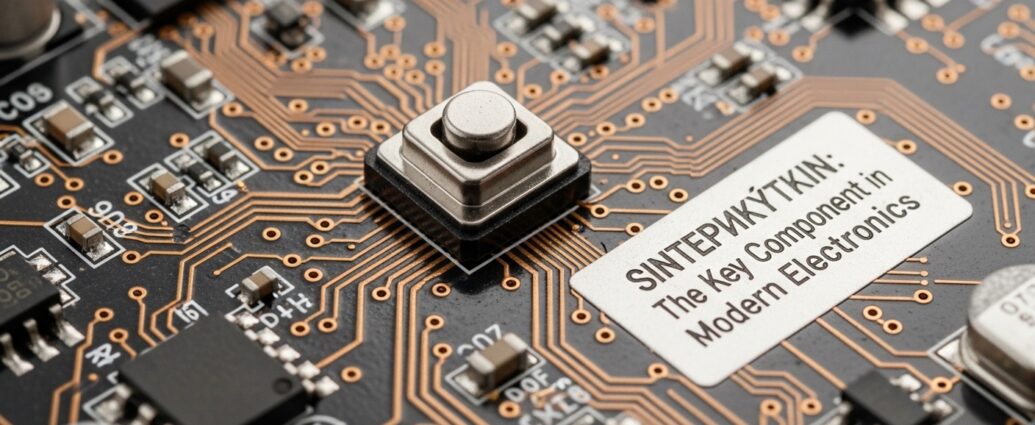
In the fast-paced world of modern electronics, efficiency and innovation reign supreme. At the heart of many groundbreaking devices lies a crucial component known as sinterikytkin. This unassuming yet powerful element plays a vital role in pushing technology boundaries and enhancing user experiences across various applications. From smartphones to smart appliances, sinterikytkin is shaping how we interact with our gadgets daily. But what exactly is it, and why should you care? Join us on this journey as we delve into the fascinating realm of sinterikytkin—its history, benefits, manufacturing processes, and its undeniable impact on today’s technological landscape.
History and Evolution of Sinterikytkin Technology
Sinterikytkin technology has a fascinating history that dates back several decades. Originally, the concept emerged in the mid-20th century as engineers sought more efficient ways to create electrical contacts.
Early designs were bulky and limited in functionality, primarily used in simple mechanical systems. As electronics advanced, so did the need for smaller, more reliable components.
The 1980s marked a turning point with the development of materials science. Researchers discovered new compounds that enhanced conductivity while reducing wear and tear.
This evolution continued into the digital age, where sinterikytkin became integral to miniaturized devices like smartphones and laptops. Manufacturers began incorporating innovative manufacturing processes such as 3D printing and precision molding.
Today’s sinterikytkin are not just functional; they offer improved performance characteristics. This ongoing progression reflects society’s demand for smarter technology and energy-efficient solutions across various industries.
Benefits and Advantages of Using Sinterikytkin in Electronics
Sinterikytkin offers a range of benefits that elevate its status in the electronics realm. First and foremost, these components provide exceptional conductivity. This characteristic enables efficient power transfer, ensuring devices operate smoothly.
Another advantage is their durability. Sinterikytkin can withstand harsh environmental conditions, including temperature extremes and moisture. This resilience translates to longer lifespans for electronic products.
Furthermore, sinterikytkin supports miniaturization trends in technology. Their compact design allows manufacturers to create smaller devices without compromising performance.
Cost-effectiveness is another key factor. By reducing waste during production and enhancing energy efficiency during operation, sinterikytkin contribute to more economical manufacturing processes.
These advantages make sinterikytkin an essential choice for modern electronic applications across various industries.
Common Applications of Sinterikytkin in Different Industries
Sinterikytkin, or sintered switches, find their place in a myriad of industries due to their reliable performance and efficiency. In the automotive sector, they play a crucial role in electric vehicle systems and advanced driver-assistance technologies. Their robust design withstands harsh conditions, making them ideal for critical applications.
In the consumer electronics realm, these components are essential for devices like smartphones and laptops. They help manage power distribution effectively while maintaining compact designs that meet modern aesthetic demands.
The medical field also benefits from sinterikytkin technology. Here, precision is paramount; these switches ensure accurate readings and safer operation in diagnostic equipment.
Manufacturing automation heavily relies on sinterikytkin too. These switches facilitate seamless communication between machinery, boosting productivity across production lines without compromising on quality or safety standards.
How Sinterikytkin is Made
The manufacturing process of sinterikytkin is a fascinating blend of science and precision. It begins with the selection of high-purity metal powders, which are often nickel or iron-based. These materials are crucial for achieving optimal performance.
Once chosen, the powders undergo mixing to ensure uniformity in composition. This step is vital for maintaining consistent properties throughout the final product.
Next comes the pressing phase. The mixed powder is compacted under high pressure into molds that shape it into desired forms. This stage requires careful calibration to achieve specific densities and dimensions.
After pressing, the pieces enter a furnace for sintering. Here, they are heated just below their melting point, allowing particles to bond together without liquefying completely. This results in a solid structure with enhanced durability.
Additional processes such as machining or surface treatment may be applied to refine characteristics further and enhance functionality in various applications.
Future Developments and Potential Impact on the Electronics Industry
The landscape of electronics is rapidly changing, and Sinterikytkin technology will play a pivotal role in this evolution. As manufacturers seek to create more efficient devices, advancements in sintering processes are on the horizon.
New materials with enhanced conductivity and durability are being explored. These innovations could lead to lighter components that maintain high performance under various conditions.
Moreover, sustainability trends are gaining traction. Eco-friendly sinterikytkin options may emerge, reducing environmental impact while meeting consumer demand for greener technologies.
Integration with IoT (Internet of Things) devices presents another exciting avenue. Smart applications require reliable switches capable of handling increased data loads seamlessly.
As industries continue to push boundaries, the versatility of sinterikytkin will likely open doors for breakthroughs we can only begin to imagine now. The future holds tremendous potential for both innovation and efficiency within the electronics sector.
The Importance of Sinterikytkin in Modern Technology
Sinterikytkin plays a pivotal role in modern technology, serving as the backbone of countless electronic devices. Its ability to facilitate precise electrical connections makes it indispensable.
In an era where efficiency is paramount, sinterikytkin enhances performance while minimizing energy loss. This is crucial for sustainable technology development, aligning with global efforts to reduce carbon footprints.
Moreover, its use extends across various sectors—from consumer electronics to automotive engineering. The versatility of sinterikytkin ensures that manufacturers can innovate without compromising quality or reliability.
As industries evolve and demand smarter solutions, the relevance of sinterikytkin only intensifies. It not only supports current technologies but also paves the way for future advancements in fields like artificial intelligence and renewable energy systems. The impact is profound and far-reaching, making it a cornerstone in our tech-driven world.
Conclusion
Sinterikytkin plays a pivotal role in the landscape of modern electronics. As technology evolves, this essential component continues to adapt and improve. Its unique properties make it ideal for various applications across multiple industries.
From consumer gadgets to complex industrial machinery, sinterikytkin offers reliability and efficiency that other materials cannot match. The process of manufacturing these components has also advanced, ensuring they meet the ever-increasing demands of today’s market.
Looking ahead, innovations in sinterikytkin technology promise even greater enhancements. These developments could redefine standards in performance and sustainability within the electronics sector.
The significance of sinterikytkin cannot be overstated. It is an indispensable part of our daily lives and will remain at the forefront as we push the boundaries of what is possible with electronic devices.