
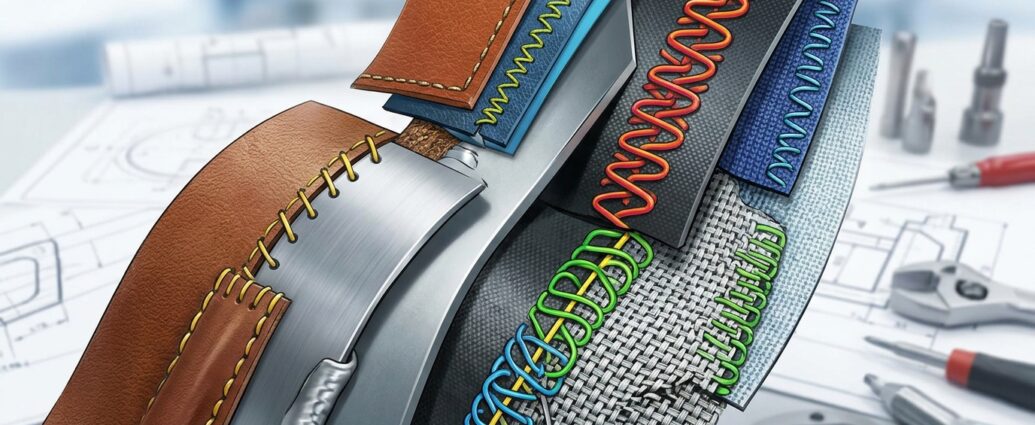
Nahttypen is a term that has gained attention in various technical, industrial, and creative fields. While the word may appear unfamiliar to many people, its importance continues to grow as industries seek better methods for design, construction, manufacturing, and innovation. The concept of Nahttypen represents different types of seams, joints, or connection methods used in numerous applications, ranging from textile production to engineering and advanced manufacturing.
In today’s rapidly evolving world, precision and quality have become essential factors in every industry. Whether products are being manufactured for fashion, construction, automotive production, or technological development, the methods used to join materials play a critical role in determining durability, functionality, and aesthetics. This is where the concept of Nahttypen becomes highly relevant.
Understanding Nahttypen helps professionals make informed decisions regarding material selection, production techniques, and quality control processes. As industries continue to innovate, the importance of efficient and reliable joining methods becomes even more significant.
The Meaning of Nahttypen
The term Nahttypen originates from the German language, where “Naht” generally refers to a seam or joint, while “Typen” means types. Together, the term can be understood as “types of seams” or “types of joints.”
In practical applications, Nahttypen describes various methods used to connect materials together. These connections can be found in clothing, industrial products, construction projects, automotive components, and even advanced technological equipment. Different seam types serve different purposes depending on the required strength, flexibility, appearance, and performance characteristics.
The selection of the appropriate Nahttypen often determines the overall success of a product or structure. Engineers, designers, and manufacturers carefully analyze requirements before choosing the most suitable seam or joint type.
Historical Development of Nahttypen
The concept of joining materials is as old as human civilization itself. Early humans used primitive stitching methods to create clothing from animal hides. Over time, these basic techniques evolved into more sophisticated sewing and joining systems.
During the Industrial Revolution, manufacturing processes became increasingly complex. The need for standardized seam and joint types led to the development of formal classifications and technical specifications. This period marked a significant advancement in understanding and applying different Nahttypen.
As technology progressed throughout the twentieth century, new materials such as synthetic fabrics, plastics, and advanced metals required innovative joining methods. Engineers developed specialized seam types to meet the unique demands of these materials.
Today, Nahttypen encompasses a wide range of traditional and modern connection techniques, supported by advanced machinery, automation, and digital design tools.
Importance of Nahttypen in Manufacturing
Manufacturing industries rely heavily on effective joining techniques to ensure product quality and reliability. Every product consists of multiple components that must work together seamlessly. The selection of the appropriate Nahttypen helps manufacturers achieve this goal.
Product durability is one of the most significant benefits associated with proper seam selection. Strong and reliable joints increase the lifespan of products while reducing maintenance requirements and repair costs.
Quality control is another important factor. Standardized seam types allow manufacturers to maintain consistency across large production volumes. This consistency improves customer satisfaction and enhances brand reputation.
Efficiency also plays a major role. Modern manufacturing facilities utilize specialized seam types that can be produced quickly without compromising quality. This improves productivity and reduces overall production costs.
Nahttypen in the Textile Industry
The textile industry represents one of the most common applications of Nahttypen. Different garments require different seam constructions depending on their intended use and design requirements.
Fashion designers carefully select seam types based on appearance, comfort, and functionality. A decorative seam may enhance the visual appeal of a garment, while a reinforced seam provides additional strength for high-stress areas.
Sportswear manufacturers often use specialized seam types that improve flexibility and comfort. These seams allow athletes to move freely while maintaining garment durability under demanding conditions.
In luxury fashion, premium seam constructions contribute to the overall quality and value of products. Customers often associate precise stitching and high-quality seams with superior craftsmanship.
The continuous evolution of textile technology has introduced innovative seam techniques that improve performance, sustainability, and manufacturing efficiency.
Role of Nahttypen in Engineering
Engineering applications require seam and joint types capable of withstanding significant mechanical stresses. In these environments, the wrong choice of connection method can lead to structural failures and safety concerns.
Mechanical engineers evaluate factors such as load distribution, material compatibility, environmental conditions, and long-term durability when selecting Nahttypen. These considerations help ensure reliable performance throughout a product’s lifecycle.
Industrial equipment often operates under challenging conditions involving vibration, pressure, temperature fluctuations, and mechanical stress. Proper seam design helps maintain operational integrity and reduces the risk of failure.
The engineering sector continues to develop advanced joining technologies that address increasingly complex performance requirements. These innovations contribute to improved safety, efficiency, and sustainability.
Nahttypen in Automotive Manufacturing
The automotive industry represents another major area where Nahttypen plays a critical role. Modern vehicles consist of thousands of interconnected components that must function together safely and efficiently.
Vehicle manufacturers use various seam and joint types throughout production processes. These connections influence structural strength, crash resistance, noise reduction, and overall vehicle performance.
Advanced automotive designs require lightweight materials that help improve fuel efficiency and reduce emissions. Specialized joining methods enable manufacturers to connect these materials effectively while maintaining structural integrity.
The growing popularity of electric vehicles has further increased the importance of innovative joining technologies. Battery systems, electronic components, and lightweight structures require highly specialized seam solutions.
As automotive technology continues to evolve, new Nahttypen applications will emerge to support future vehicle designs and manufacturing techniques.
Technological Innovations in Nahttypen
Recent technological advancements have transformed traditional approaches to seam and joint creation. Automation, robotics, and digital manufacturing systems have introduced unprecedented levels of precision and efficiency.
Computer-aided design software allows engineers to simulate seam performance before physical production begins. This capability reduces development costs while improving product reliability.
Robotic systems can create highly consistent seams that meet strict quality standards. These automated solutions minimize human error and increase production speed.
Artificial intelligence is also beginning to influence seam design and quality control processes. Machine learning algorithms can analyze production data to identify optimization opportunities and predict potential issues before they occur.
These technological innovations are expanding the possibilities of Nahttypen and creating new opportunities across various industries.
Sustainability and Modern Nahttypen
Sustainability has become a major priority for businesses and consumers worldwide. The selection and implementation of appropriate Nahttypen can contribute significantly to environmental goals.
Durable seams increase product longevity, reducing the need for frequent replacements. This helps minimize waste and conserves valuable resources.
Manufacturers are increasingly exploring eco-friendly materials and production methods. Advanced seam technologies support these initiatives by enabling efficient material utilization and reducing production waste.
Repairability is another important sustainability consideration. Products designed with accessible and durable seams are often easier to repair, extending their useful lifespan.
As environmental awareness continues to grow, sustainable seam solutions will likely become an even more important aspect of product development and manufacturing strategies.
Challenges Associated with Nahttypen
Despite its many advantages, the implementation of appropriate Nahttypen can present several challenges. Material diversity, performance requirements, and production constraints often complicate decision-making processes.
Different materials exhibit unique properties that influence seam performance. Manufacturers must carefully evaluate compatibility issues to avoid potential failures.
Cost considerations also play a significant role. Advanced seam technologies may require specialized equipment, training, and maintenance investments. Organizations must balance performance benefits against economic realities.
Quality assurance remains another ongoing challenge. Even minor variations in seam construction can affect product reliability and customer satisfaction.
Addressing these challenges requires continuous research, innovation, and collaboration among industry professionals.
Future Trends in Nahttypen
The future of Nahttypen appears highly promising as industries continue to pursue innovation and efficiency. Emerging technologies are expected to introduce new seam concepts that offer enhanced performance and sustainability.
Smart manufacturing systems will likely play an increasingly important role in seam production and quality control. These systems will utilize real-time data analysis to optimize production processes and maintain consistent quality standards.
Advanced materials, including composites and nanomaterials, will create new opportunities and challenges for seam development. Engineers will need innovative joining methods capable of meeting the unique requirements of these materials.
Digital twins and simulation technologies will further improve seam design processes by allowing manufacturers to evaluate performance under various conditions before production begins.
The integration of artificial intelligence, automation, and advanced materials science will continue to shape the future evolution of Nahttypen across multiple industries.
The Global Significance of Nahttypen
As global industries become increasingly interconnected, the importance of standardized seam and joint concepts continues to grow. International manufacturing networks depend on consistent quality standards and reliable production methods.
Nahttypen contributes to improved communication among engineers, designers, manufacturers, and quality assurance professionals. Standardized terminology and classification systems facilitate collaboration across different regions and industries.
Global competition also drives continuous improvement in seam technologies. Organizations that successfully implement advanced joining methods often gain significant advantages in quality, efficiency, and innovation.
The widespread adoption of modern manufacturing technologies ensures that Nahttypen will remain a relevant and valuable concept in the years ahead.
Conclusion
Nahttypen represents far more than a simple technical term. It encompasses a broad range of seam and joint types that play a fundamental role in manufacturing, engineering, textiles, automotive production, and numerous other industries. The effectiveness of these connections directly influences product quality, durability, safety, and performance.
Throughout history, seam technologies have evolved alongside human innovation, adapting to new materials, production methods, and industry requirements. Today, advanced technologies such as automation, robotics, artificial intelligence, and digital design tools are transforming the field and creating new possibilities for future development.
As sustainability, efficiency, and innovation continue to shape global industries, the importance of understanding and applying appropriate Nahttypen will only increase. Organizations that invest in advanced seam technologies and quality-focused manufacturing practices will be better positioned to succeed in an increasingly competitive marketplace.
The future of Nahttypen is closely connected to the future of modern industry itself, making it a fascinating and highly relevant subject for professionals, researchers, and innovators around the world.